
 Russian
Market to reach $4.84 billion by 2030. Electric and compact lifts dominate. Logistics and warehousing drive demand. Rental and leasing models expand.
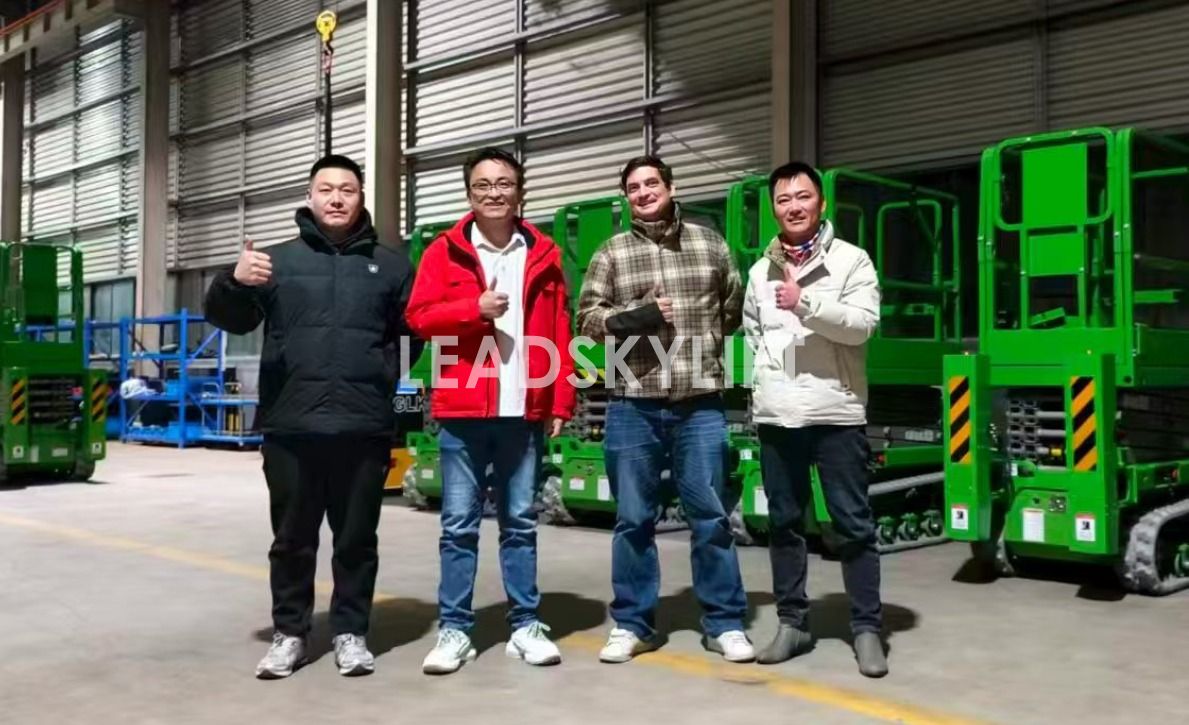
The global scissor lift market is undergoing a significant transformation. Electrification, compact design, and the expansion of rental models are reshaping how construction, logistics, and industrial sectors access elevated work areas.
Here is what is happening in the scissor lift market right now.
Market Growth – Steady Expansion Across Sectors
The global scissor lift market is on a steady growth trajectory. In 2025, the market was valued at $3.68 billion. It is expected to grow to $3.86 billion in 2026 at a CAGR of 4.9%, reaching $4.84 billion by 2030 at a CAGR of 5.8% .
Another report puts the market at $3.73 billion in 2025, projecting growth to $6.55 billion by 2035 at a CAGR of 5.8%.
Regional breakdown. North America is the largest market, expected to account for approximately 37% of global revenue by 2035, driven by online shopping growth and logistics expansion . Asia-Pacific is the fastest-growing region, with a projected 31% market share by 2035, fueled by increasing production capacity and e-commerce activity.
Key growth drivers. Construction activities are a primary driver. In the US, construction spending reached $2.16 trillion in July 2024, up 6.7% year-over-year [citation:12]. Warehouse automation and e-commerce expansion also boost demand—the number of US warehouse establishments grew 73% from 2001 to 2023, driving orders for compact scissor lifts capable of maneuvering in narrow aisles.
Electric and Compact Designs Dominate
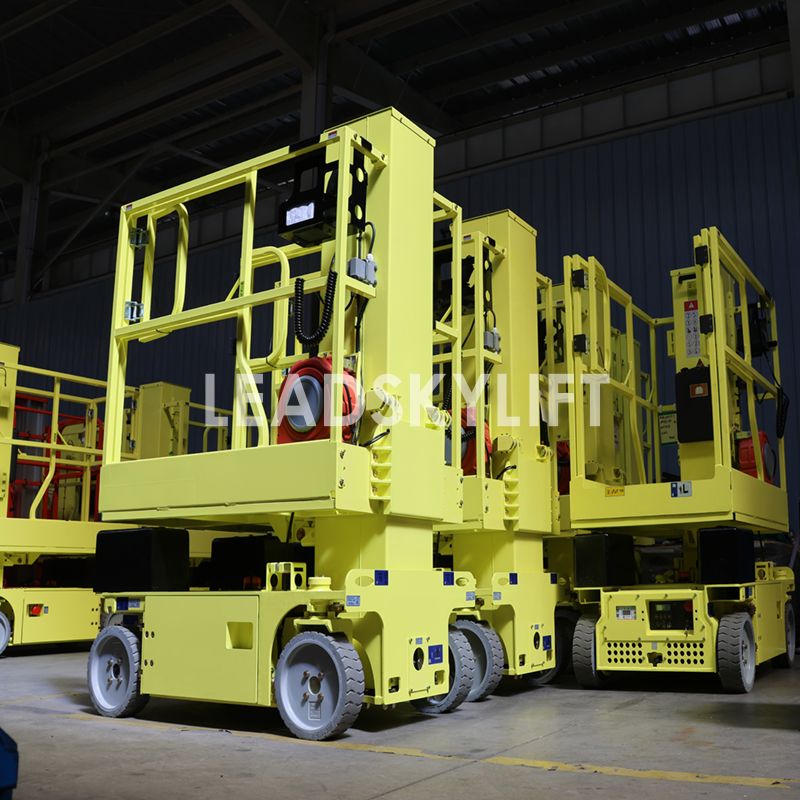
Electric scissor lifts are gaining ground. Electric variants are on a 6.15% CAGR track through 2031 as total cost of ownership advantages become quantifiable. Fleet trials show lithium-ion packs require no fluid checks and halve routine service hours compared to hydraulic units .
Compact lifts in demand. The increasing demand for compact lifts in indoor applications is a major trend. These lifts are essential for warehouse operations, retail facilities, and other indoor environments where space is limited .
Smart safety and monitoring systems. Growing integration of smart safety features—including automatic fault diagnosis, remote monitoring, tilt protection, overload alarms, and anti-pinch protection—is becoming standard.
Construction remains the largest application segment, expected to account for 38% of market share by 2035. Hydraulic units captured 42.65% of revenue in 2025, but electric alternatives are gaining as environmental regulations tighten and indoor use increases .
Rental and Leasing Models Expand
The expansion of rental and leasing models for access equipment is transforming the market . Multi-year project pipelines in infrastructure and logistics give rental firms confidence to add inventory and keep utilization high .
This model allows contractors and small businesses to access modern equipment without the high upfront investment, while rental providers handle maintenance and servicing.
Challenges Facing the Industry
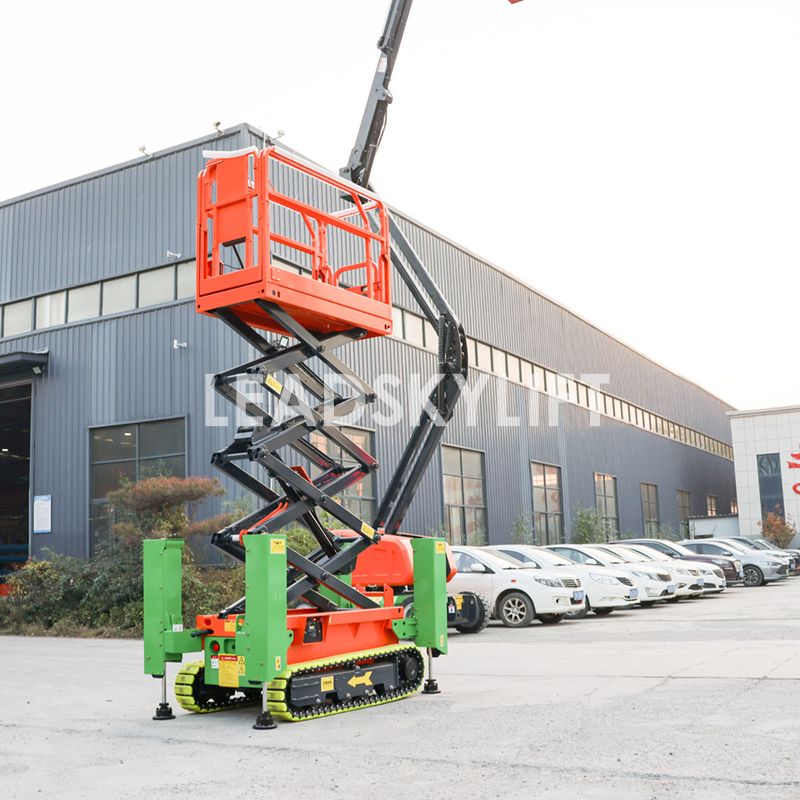
Maintenance and downtime. Hydraulic fluid leaks and maintenance remain significant challenges. Legacy fleet operators face unplanned stoppages from seal failure, contamination, and weather-induced viscosity swings.
Tariff impacts. Tariffs have increased the cost of imported steel structures, hydraulic systems, batteries, and electronic control components, affecting prices and procurement cycles .
Operator shortages. A shortage of certified mobile elevated work platform (MEWP) operators is another challenge facing the industry .
JINING LEAD Scissor Lifts
JINING LEAD manufactures a range of electric scissor lifts designed for indoor and outdoor applications. Models include:
BJJZ-08. Maximum platform height 7.8m. Load capacity 230kg. Overall width 840mm. Compact design for tight spaces. Features pedal extension platform, collapsible fence, and 25% climbing ability.
BJJZ-10. Maximum working height 9.8m. Width 840mm. Similar compact footprint with greater reach.
BJJZ-12. Maximum working height 11.8m. Width 1190mm. Higher capacity and wider platform for larger jobs.
JINING LEAD supports customization including vehicle configuration, lift height, body color, and engine options . The company has over 200 employees, more than 30 technicians, and exports to over 50 countries .
What This Means for Buyers
If you are in the market for a scissor lift, here is what matters.
Think electric. Electric models offer lower maintenance, quieter operation, and better environmental compliance. Lithium-ion batteries reduce total cost of ownership.
Consider compact designs. Narrow-width models are essential for warehouse and indoor applications. They maneuver in tight aisles and through standard doorways.
Look for smart features. Tilt protection, overload alarms, and fault diagnosis systems improve safety and reduce downtime.
Consider rental. Rental models give you access to the latest technology without upfront costs. Ideal for short-term projects.
Check support. Parts availability and service support are critical. Choose suppliers with established service networks.
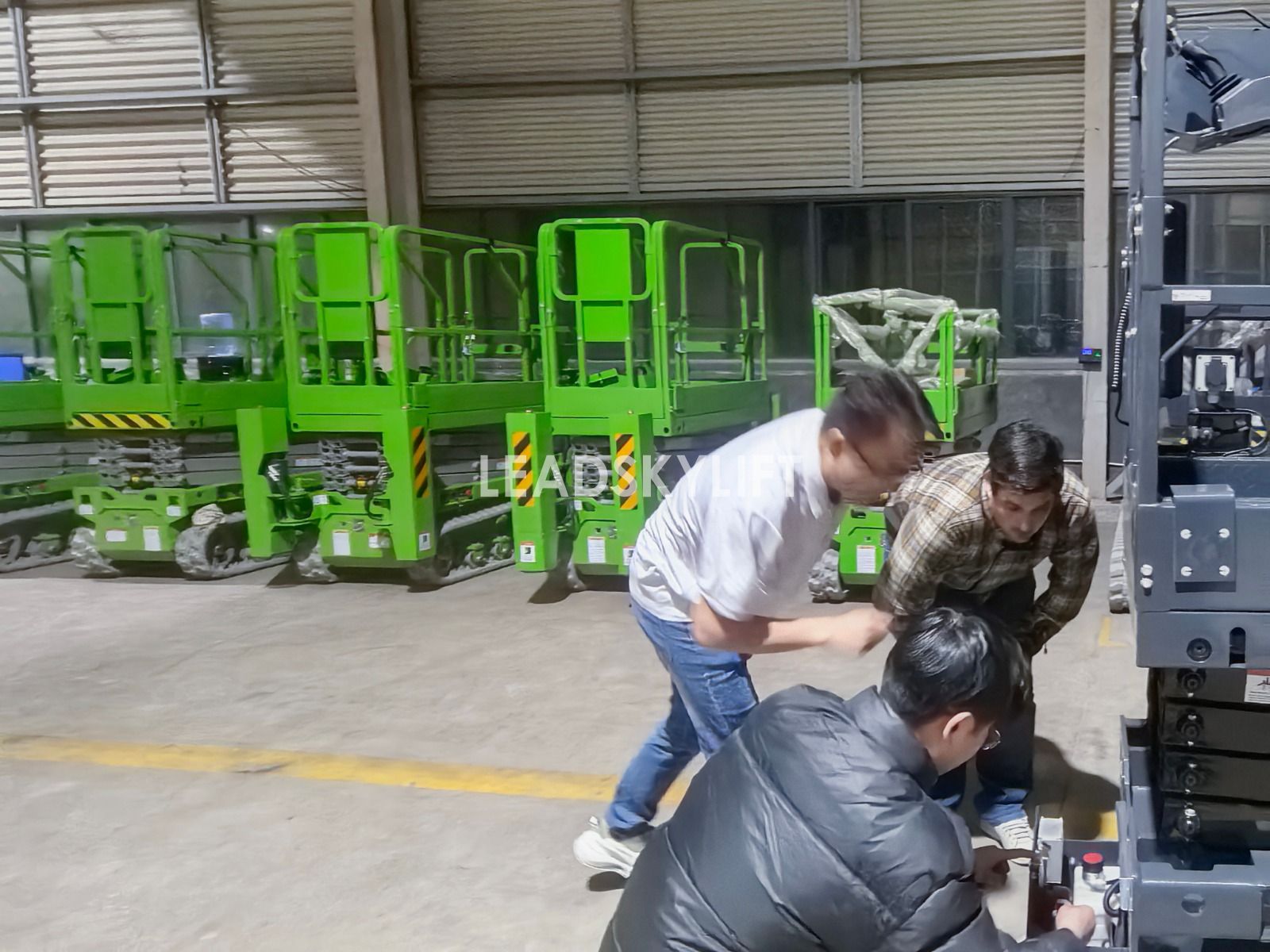
JINING LEAD manufactures electric scissor lifts, aerial work platforms, and a full range of access and material handling equipment. Contact us to learn more about how we can support your operations